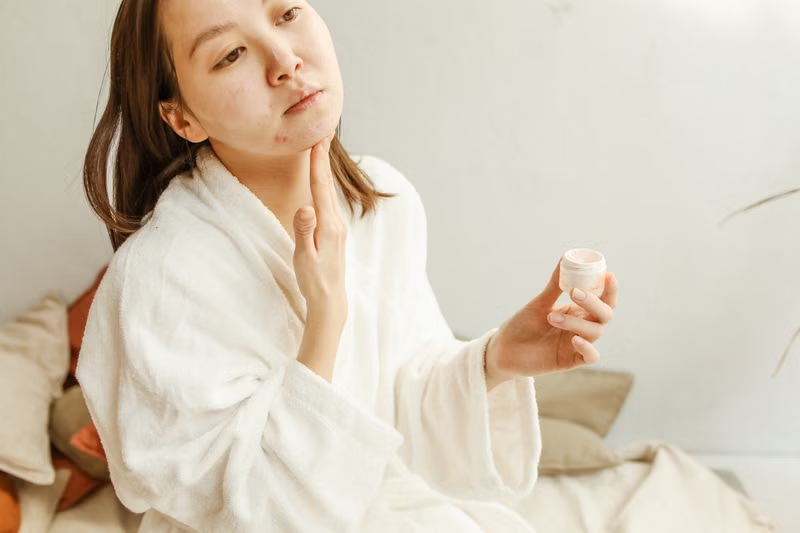
Rosacea: Symptoms, Triggers, and When to Seek Care
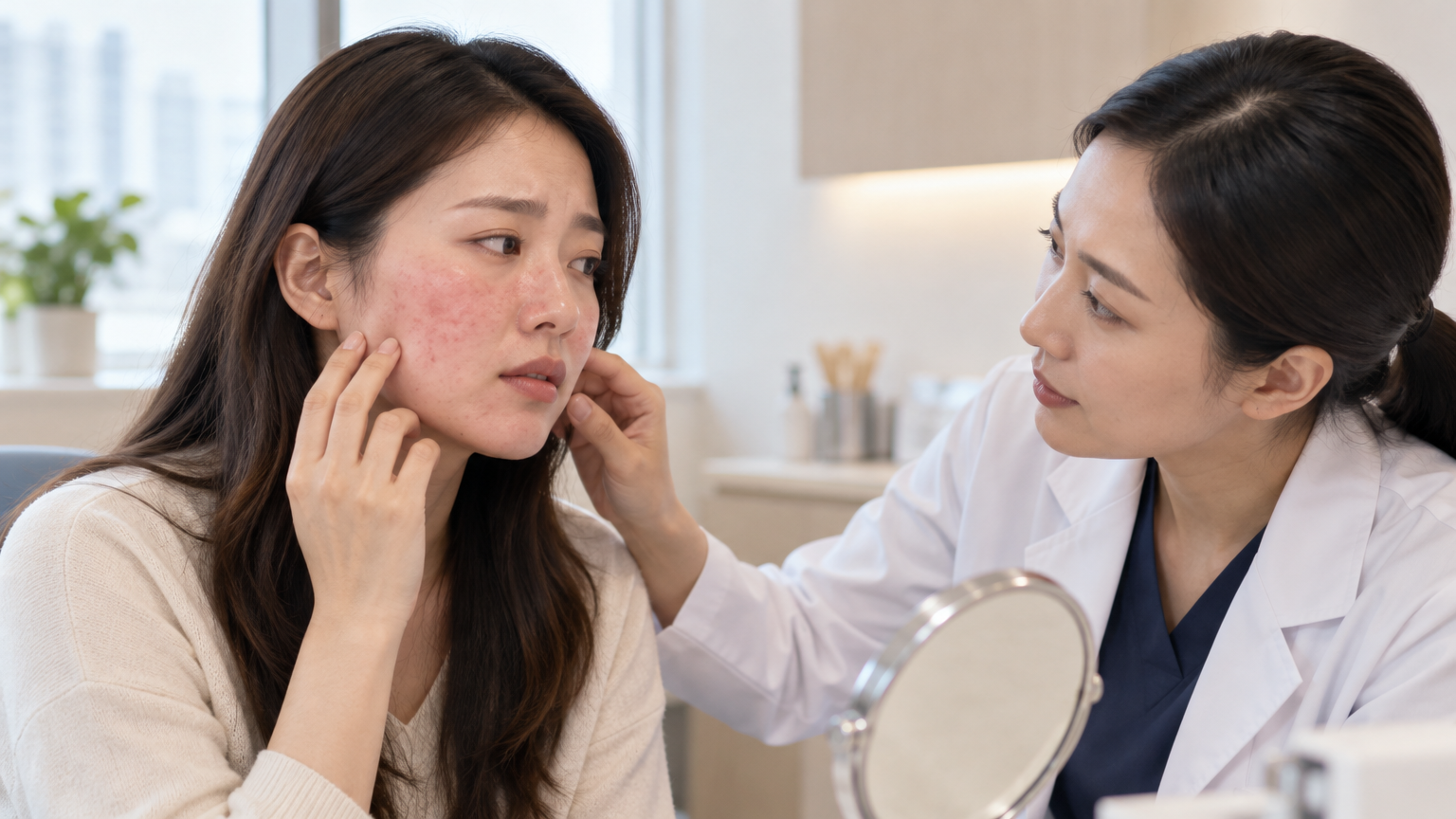
Rosacea is a long‑term facial skin condition with flushing, redness, and acne‑like bumps that often worsens with heat, hot foods, alcohol, stress, or irritating skincare. Learn how it differs from acne, Hong Kong–specific triggers, simple home care, and when it makes sense to see a family doctor or specialist.
Rosacea is a common, long‑term skin condition that mainly affects the central face. It tends to flare and settle in cycles and is not contagious. In Hong Kong’s heat and humidity, people often mistake rosacea for acne or “maskne.” Recognising patterns and simple care can make a big difference, and primary care can help you find the right treatment.
This article is general health information for education only. It is not a substitute for personal medical advice. Please consult a qualified clinician for individual assessment.
What rosacea is (and how it differs from acne)
Rosacea is an inflammatory skin condition that causes facial flushing, persistent redness, sensitive skin, and acne‑like bumps. It commonly affects adults and can occur in any skin tone. Key differences from acne:
- Distribution: Mostly the central face — cheeks, nose, forehead, and chin. Acne may involve the whole face, jawline, chest, or back.
- Blackheads/whiteheads (comedones): Typical in acne but usually absent in rosacea.
- Triggers: Heat, hot drinks, alcohol, spicy foods, and stress commonly flare rosacea; acne is less trigger‑driven day‑to‑day.
- Sensation: Burning, stinging, or skin sensitivity suggests rosacea more than acne.
- Age: Rosacea often starts in adulthood; acne is more common in teenagers (though adults can have acne too).
- Steroid creams: Potent topical steroids can worsen rosacea if used on the face without guidance.
Common symptoms: flushing, persistent redness, bumps, visible vessels, eye discomfort
You may notice one or several of the following:
- Flushing and persistent redness (erythema) across the cheeks, nose, forehead, or chin
- Acne‑like bumps (red papules and small pustules) but usually no blackheads/whiteheads
- Burning, stinging, or skin sensitivity; dryness or rough texture
- Fine visible blood vessels (telangiectasia) on the cheeks or nose
- Eye symptoms (ocular rosacea): dryness, watery/teary eyes, gritty feeling, redness, or eyelid irritation
- Less commonly, thickened skin on the nose or other areas over time
Symptoms often come and go. Sun, heat, certain foods or products, and emotions can set off a flare.
Everyday triggers in Hong Kong
Many people with rosacea find certain day‑to‑day factors make redness or bumps worse. Common local triggers include:
- Weather and environment: Heat, humidity, bright sun, or sudden temperature changes (e.g., moving from strong air‑conditioning to outdoor heat)
- Face coverings: Warmth, friction, and trapped humidity under masks; choose breathable materials and change if damp
- Hot foods and drinks: Hot pot, spicy dishes (e.g., mala), curries, hot soups, very hot tea or coffee
- Alcohol: Especially red wine or spirits for some people
- Exercise and saunas: Vigorous workouts in heat or steam rooms
- Stress and poor sleep
- Skincare and cosmetics: Fragrance, alcohol‑based toners, harsh scrubs, high‑strength acids or retinoids, menthol/camphor; some medicated creams or oils can irritate
- Topical steroid creams on the face without medical guidance
- Air pollution or smoke exposure may irritate sensitive skin in some individuals
Not everyone has the same triggers. Keeping track helps you focus on what matters for you.
Home care basics and tracking triggers
Simple, consistent habits can reduce flares and support medical treatment:
- Gentle cleanse, gentle touch: Use a mild, fragrance‑free, non‑soap cleanser. Wash with lukewarm water; avoid hot water and vigorous scrubbing. Pat dry.
- Moisturise the barrier: Apply a fragrance‑free moisturiser suited to sensitive skin, especially after cleansing.
- Daily sun protection: Broad‑spectrum SPF 30+ sunscreen. If your skin is easily irritated, mineral filters (zinc oxide/titanium dioxide) may be better tolerated. Add a hat and shade.
- Reduce overheating: Take cooler showers, seek shade, use fans, and avoid very hot rooms when possible.
- Mask tips: Choose breathable, well‑fitting masks; change when damp. If safe to do so, take short mask breaks in cool areas.
- Consider a trigger diary: Note weather, foods/drinks, activities, stress, and products whenever you flare. Patterns often appear within a few weeks.
- Calm a flare: Try a cool (not icy) compress for a few minutes. Avoid facial scrubs or peels during active redness.
- Camouflage if helpful: Green‑tinted primers or gentle concealers can neutralise redness.
- Product check: Avoid products with high alcohol content, fragrance, menthol, or eucalyptus. Patch‑test new items on a small area first.
- Avoid using steroid creams on the face unless specifically prescribed, and follow your clinician’s instructions.
When to seek primary care or specialist review
Consider seeing a family doctor if any of the following apply:
- Persistent facial redness for more than a few weeks
- Frequent flushing or burning/stinging sensations
- Acne‑like bumps on the central face that don’t improve with usual acne products
- Eye symptoms such as dryness, gritty feeling, redness, or eyelid irritation
- Uncertainty about whether it’s acne, irritation from products, or rosacea
- Flares affecting your confidence, work, or daily life
How your doctor can help:
- Confirm the diagnosis and rule out other causes (e.g., acne, seborrhoeic dermatitis, perioral dermatitis, or other conditions)
- Create a treatment plan tailored to your symptoms and skin type
- Prescribe topical treatments (for example, anti‑inflammatory or anti‑mite creams/gels) and, when appropriate, short courses of anti‑inflammatory oral medicines
- Consider prescription gels or drops that temporarily reduce facial redness
- Guide eyelid hygiene and lubricating drops for mild ocular symptoms; refer to ophthalmology if needed
- Discuss procedural options (e.g., laser or light‑based treatments) for visible vessels or persistent redness when appropriate
- Advise on skincare choices, pregnancy/breastfeeding considerations, and trigger management
Seek urgent care if you develop any of the following:
- Severe eye pain, marked light sensitivity, or sudden changes in vision
- Rapidly worsening facial redness with fever or a spreading area of warmth/tenderness (possible skin infection)
With the right routine and medical support, most people can keep rosacea well controlled and reduce the impact of flares over time.
This article is for general health education and information purposes only and does not replace individual medical diagnosis or treatment advice. If you have persistent discomfort or an emergency, please seek medical attention promptly.