
Understanding Acne: Causes, Treatment Options and Safe Use of Isotretinoin.
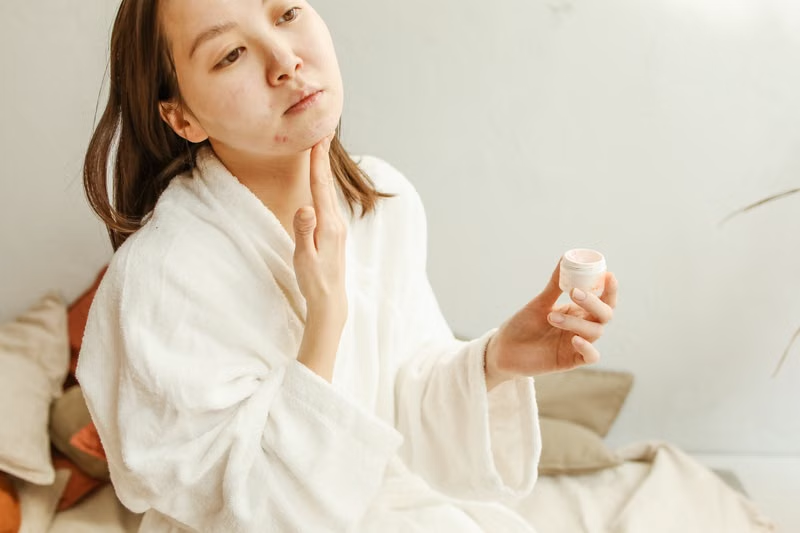
Acne is not just a teenage problem. This article covers acne causes, types, treatment options, and safe use guidelines for oral isotretinoin.
What is Acne?
Acne is a common skin condition that affects the hair follicles and sebaceous (oil) glands. It develops to varying degrees when excess sebum production combines with clogged pores and inflammation triggered by Cutibacterium acnes bacteria on the skin.
Acne is not exclusive to teenagers; many adults also suffer from persistent breakouts. While acne typically does not affect overall physical health, severe or recurrent inflammatory acne can cause acne marks, hyperpigmentation, and scarring. It can also significantly impact self-esteem and quality of life.
Common Types of Acne Include:
- Blackheads (Open comedones)
- Whiteheads (Closed comedones)
- Inflammatory acne (Red, swollen bumps)
- Pustules (Pimples containing pus)
- Cystic acne (Deep, painful, fluid-filled lumps)
Common Causes of Acne
Acne is usually caused by a combination of several factors, including:
- Hormonal Changes: Hormonal fluctuations during puberty, menstrual cycles, and other life stages can increase sebum production, making acne more likely to form.
- Stress and Lifestyle Habits: Chronic stress, lack of sleep, and irregular daily routines can worsen acne in some individuals.
- Skincare Factors: Using unsuitable skincare products, over-cleansing, or constantly irritating the skin (such as popping pimples) can aggravate acne.
It is important to note that acne is not solely caused by "dirty" or oily skin. Over-cleansing can actually irritate the skin and make the condition worse.
Does Acne Require Treatment?
Mild acne can often be improved by adopting better lifestyle choices and skincare habits. However, it is highly recommended to seek medical advice if you experience any of the following:
- Acne persists for several months without improvement.
- Breakouts are repeatedly red, swollen, or painful.
- Large areas of skin are affected (such as the chest or back).
- Visible acne marks or scars begin to form.
- Acne affects your mood, emotional well-being, or daily life.
A doctor will evaluate the severity of the acne, your medical history, and your overall health to recommend an appropriate treatment plan.
Acne Treatment Options
Acne treatments vary depending on the severity and individual circumstances. They include:
- Improving skincare habits
- Lifestyle adjustments
- Topical medications (e.g., benzoyl peroxide, topical antibiotics, topical retinoids)
- Oral medications (e.g., oral antibiotics, oral contraceptives, oral isotretinoin)
For more severe or complex cases, a doctor may recommend a referral to a dermatologist for further assessment.
Oral Isotretinoin and Safe Use
Oral isotretinoin (commonly referred to as oral A-acid) is a prescription-only medication used to treat moderate to severe acne. It is the only treatment that simultaneously targets all four primary causes of acne: excess sebum production, clogged pores (follicular hyperkeratosis), inflammation, and Cutibacterium acnes bacteria. However, oral isotretinoin should never be purchased over-the-counter or taken without medical supervision.
Key Considerations Before Using Isotretinoin:
Dosage Requires Personalization: The dosage must be carefully adjusted based on body weight, acne severity, and individual treatment response. The same dose does not fit every patient.
Common Side Effects:
- Dry lips and skin
- Dry eyes
- Dry nasal passages or nosebleeds
- Less common: Elevated liver enzymes and blood lipid (cholesterol/triglyceride) levels
Before starting treatment, blood tests are required to confirm suitability. Some patients will also need regular blood tests during the course to monitor liver function and lipid levels.
Pregnancy-Related Risks: Oral isotretinoin is highly teratogenic, meaning it causes severe birth defects and miscarriage if taken during pregnancy. Female patients must use highly effective contraception starting one month before the treatment, throughout the entire course, and for one month after stopping the medication. A negative pregnancy test is required before starting, alongside regular pregnancy monitoring during the treatment.
If you are considering oral isotretinoin for your acne, you must consult a doctor first for a proper evaluation.
The Role of a Family Doctor in Acne Management
A family doctor assesses acne from a holistic health perspective, looking at:
- The severity of the acne
- The progression of the condition and related symptoms
- Lifestyle habits and stress factors
- Past medical history and current medication use
- The need for specialist referrals
Based on this individual assessment, a family doctor can provide an appropriate treatment plan or arrange a referral to a dermatologist if necessary.
Frequently Asked Questions (FAQs) about Acne
Does acne only affect teenagers? No. Adults can also develop acne, which is often linked to hormonal fluctuations, stress, and lifestyle factors.
Can acne go away on its own? Some mild cases of acne may improve on their own. However, persistent, recurrent, or inflammatory acne requires proper treatment to reduce the risk of permanent scarring.
Can I buy oral isotretinoin on my own? No. Oral isotretinoin is a strictly regulated prescription medication. It requires a doctor's professional evaluation, precise dosage adjustments, and ongoing monitoring for side effects.
Will acne always leave scars? Not all acne results in scarring. However, severe, deep, or repeatedly inflamed acne carries a significantly higher risk of leaving permanent scars.
When should I see a doctor? You should seek medical advice if your acne is persistent, worsening, red and painful, starting to scar, or affecting your emotional well-being and daily routine.
Conclusion
Acne is a common but complex skin condition. Through proper skincare, lifestyle adjustments, and targeted treatments, most acne conditions can be significantly improved. If your acne is persistent, severe, or recurrent, seeking a professional medical evaluation will help you find the right treatment direction for your skin.
This article is provided by Haven Hill Medical for general health education and informational purposes only. It cannot replace individualized medical diagnosis or treatment advice. If you experience persistent discomfort or an urgent medical situation, please seek medical attention promptly.
This article is for general health education and information purposes only and does not replace individual medical diagnosis or treatment advice. If you have persistent discomfort or an emergency, please seek medical attention promptly.